
Blog
Smart Planning for Efficient Hot Water: A Tampa Guide to Modern Upgrades
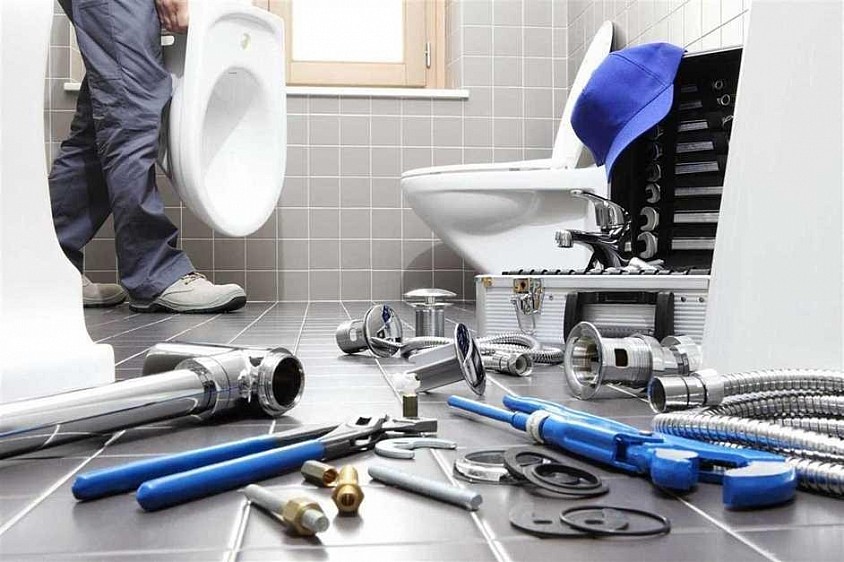
For many homeowners in Tampa, upgrading water heating is less about trend and more about practicality. Coastal humidity, frequent showers, outdoor rinses, and busy household routines create steady demand for dependable hot water. Modern on-demand systems are gaining momentum because they address space limits, efficiency goals, and long-term convenience. The path to a successful upgrade starts with understanding how technology, local conditions, and proper setup work together. Here are key considerations every Tampa household should review before moving forward with a project like tankless water heater installation tampa.
1. Evaluate hot water patterns and fixture count
Before selecting an on-demand system, map out daily hot water usage. Think about morning routines, laundry timing, dishwashing cycles, and whether multiple showers run at once. Note the number of bathrooms, major appliances, and outdoor fixtures. This helps size an on-demand unit to deliver steady comfort without overspecifying equipment that won’t be used to its full potential.
2. Consider Tampa’s climate and water profile
Warm ambient temperatures can support energy-conscious operation, while hard water can influence scale buildup over time. Even moderate mineral content can affect heat exchangers and efficiency if left unmanaged. Pairing an on-demand system with proactive water treatment and routine maintenance helps preserve performance and extend the lifespan of components in humid, coastal environments.
3. Plan venting, gas, or electrical requirements
On-demand systems need the right infrastructure to work correctly. Review venting paths, combustion air needs, and safe clearances if using a gas unit. If choosing an electric model, verify panel capacity and circuit availability. Each home is different, so a tailored plan ensures reliable ignition, proper exhaust, and code-compliant operation without crowding utility spaces.
4. Right-size the unit for simultaneous demand
Output capacity matters most when showers, sinks, and appliances run together. Aim for a configuration that comfortably handles peak household demand without major temperature swings. If multiple heavy-use points operate at the same time, consider staged approaches, zoning, or supplemental strategies to ensure balanced flow and consistent comfort during busy hours.
5. Factor in maintenance for long-term reliability
On-demand systems perform best with scheduled care. Periodic descaling, flushing, and filter checks help maintain consistent temperature delivery and quiet operation. In Tampa’s climate, where mineral content and humidity can influence equipment, a simple maintenance routine keeps components clean and responsive, protecting your investment and preserving efficiency.
6. Optimize for space and access
One hallmark of modern systems is their compact footprint. Wall-mounting can free up floor area for storage or laundry access, and outdoor-rated models may offer flexible placement options. Ensure the chosen location supports safe clearances, convenient service access, and weather considerations such as sun exposure and wind patterns.
7. Think through comfort features and controls
Contemporary on-demand units often provide digital controls, recirculation compatibility, and temperature presets for different activities. Thoughtful control placement makes everyday adjustments easy, while recirculation strategies can reduce wait times to fixtures. By matching features to household habits, you improve usability without unnecessary complexity.
8. Plan for future needs and upgrades
Households evolve. Consider whether you might add a bathroom, convert a garage, or expand outdoor living areas. Selecting a system with a bit of headroom or designing infrastructure that supports a future add-on can prevent rework later. Discuss potential changes now to keep your upgrade flexible and adaptable.
9. Prioritize safety and compliance
Proper venting, gas line sizing, electrical protection, and water temperature settings all support safe operation. Documentation, clear labeling, and accessible shutoffs add peace of mind. Following local codes and manufacturer guidelines ensures the installation is built for reliability from day one.
10. Balance upfront choices with ongoing value
While technology and features vary, the real value lies in daily comfort, energy-conscious performance, and dependable operation. When an installation is carefully planned—accounting for Tampa’s climate, household demand, and long-term maintenance—homeowners gain consistent hot water, streamlined utility spaces, and a system prepared to serve changing needs.
A thoughtful approach to projects like tankless water heater installation tampa blends practical sizing, infrastructure readiness, and routine care. By aligning equipment selection with real-world usage, Tampa homeowners can enjoy dependable hot water, efficient performance, and a clean, space-saving setup that supports everyday life.
Navigating Tampa’s Underground: A Homeowner’s Guide to Sewer Line Challenges
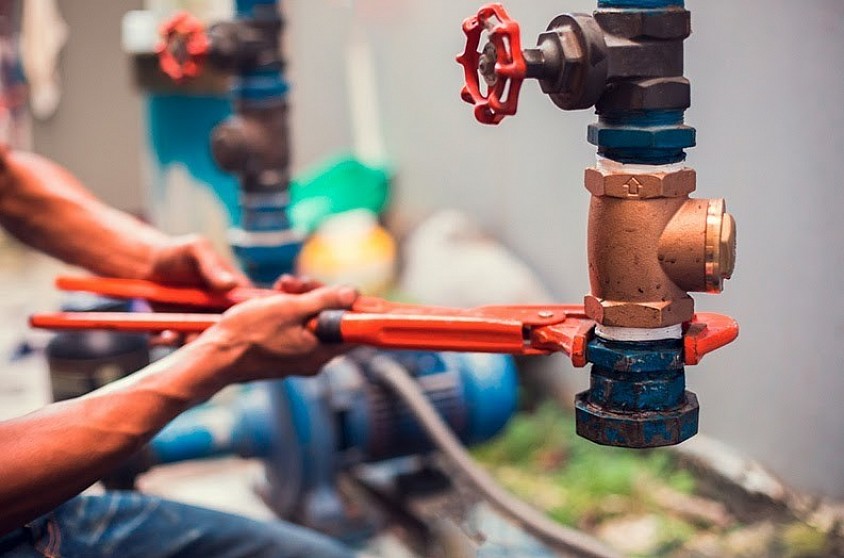
1) Why sewer lines demand attention in coastal cities
Homes in coastal and subtropical regions face unique underground conditions. High water tables, shifting soils after heavy rains, and mature landscaping all influence pipeline stability. In older neighborhoods, original clay or cast-iron laterals may be vulnerable to cracking, corrosion, or root intrusion. When homeowners understand how soil movement, seasonal storms, and large shade trees interact with buried lines, they can recognize early warning signs and plan timely action, including SEWER LINE REPAIR TAMPA when needed.
2) Common warning signs beneath your lawn and floors
Sewer problems don’t always announce themselves outright. Watch for recurring slow drains in multiple fixtures, gurgling after toilet flushes, and unexplained odors around floor drains or in the yard. Patches of unusually green grass or localized soggy spots can indicate leakage, while frequent clogs returning soon after snaking may point to a deeper obstruction. Interior backups on the lowest level of the home often suggest a mainline issue rather than a single-fixture blockage. Catching these indicators early limits disruption and helps protect interior finishes.
3) How inspections pinpoint the real problem
Accurate diagnosis is essential. A camera inspection gives a clear view of the pipe’s interior, revealing cracks, offset joints, collapsed sections, and root infestations. Mapping the line from house to street helps verify depth, material, and the presence of bends that influence repair strategies. Smoke testing can identify hidden breaks by showing where vapor escapes. With this information, a tailored plan can be built around specific conditions on your property rather than guesswork, making SEWER LINE REPAIR TAMPA decisions more straightforward.
4) Trenchless and traditional repair options
Repair approaches vary based on pipe condition, location, and access:
- Spot repair: Replaces a small damaged section when the rest of the line is sound.
- Pipe lining: Installs a resin-saturated liner that cures in place, creating a seamless interior surface suitable for many cracks and minor offsets.
- Pipe bursting: Breaks the old pipe while simultaneously pulling in a new line, helpful when the existing pipe is severely compromised.
- Open trench replacement: Ideal for extensive damage or when trenchless methods aren’t feasible due to extreme bends or lack of access.
Choosing the right option balances durability, landscape impact, and long-term maintenance needs.
5) Tampa-specific considerations that shape outcomes
Local permitting and right-of-way rules can affect scheduling and method selection, especially when work approaches municipal easements. High groundwater may influence curing times for liners and necessitate careful dewatering. Mature oak and palm root systems often require strategic planning to avoid further intrusion. After heavy storms, saturated soils can complicate excavation, making timing and site protection essential in SEWER LINE REPAIR TAMPA planning.
6) Protecting landscaping, hardscapes, and utilities
Thoughtful staging preserves curb appeal. Utility location services must mark gas, electric, water, and communications lines before any digging. For driveways, pavers can be lifted and reinstalled, while concrete cuts should be minimized and neatly restored. When trenchless methods are viable, small access pits reduce disturbance to lawns and garden beds. Erosion control, clean spoil management, and post-repair grading help restore the yard to a stable, attractive condition.
7) Preventive maintenance that pays off
Preventive steps extend the lifespan of underground plumbing. Schedule periodic camera checks for older homes or properties with large root systems. Use root-inhibiting practices where appropriate, and avoid planting aggressive species near laterals. Keep wipes, fats, oils, and non-degradable items out of drains. Address minor bellies or offsets before they escalate. Routine attention to vent stacks, cleanouts, and proper slope helps ward off recurring blockages.
8) When timing matters most
Delaying action can allow small cracks to widen, enabling soil infiltration that accelerates decay and causes sinkage. Early intervention reduces the risk of sudden backups that damage flooring and drywall. If you notice new gurgling sounds, multiple slow fixtures, or yard soft spots, document the symptoms, arrange an inspection, and compare method options promptly to determine the most effective path for SEWER LINE REPAIR TAMPA.
9) Balancing durability with value
While each property is unique, the guiding principle remains consistent: choose solutions that address root causes, protect surrounding structures, and provide reliable service life. Materials compatible with local soil conditions, well-executed connections at transitions, and careful restoration all contribute to long-term performance. With informed choices and timely care, homeowners can safeguard their property and maintain trouble-free drainage for years to come.